Calibration Management Software
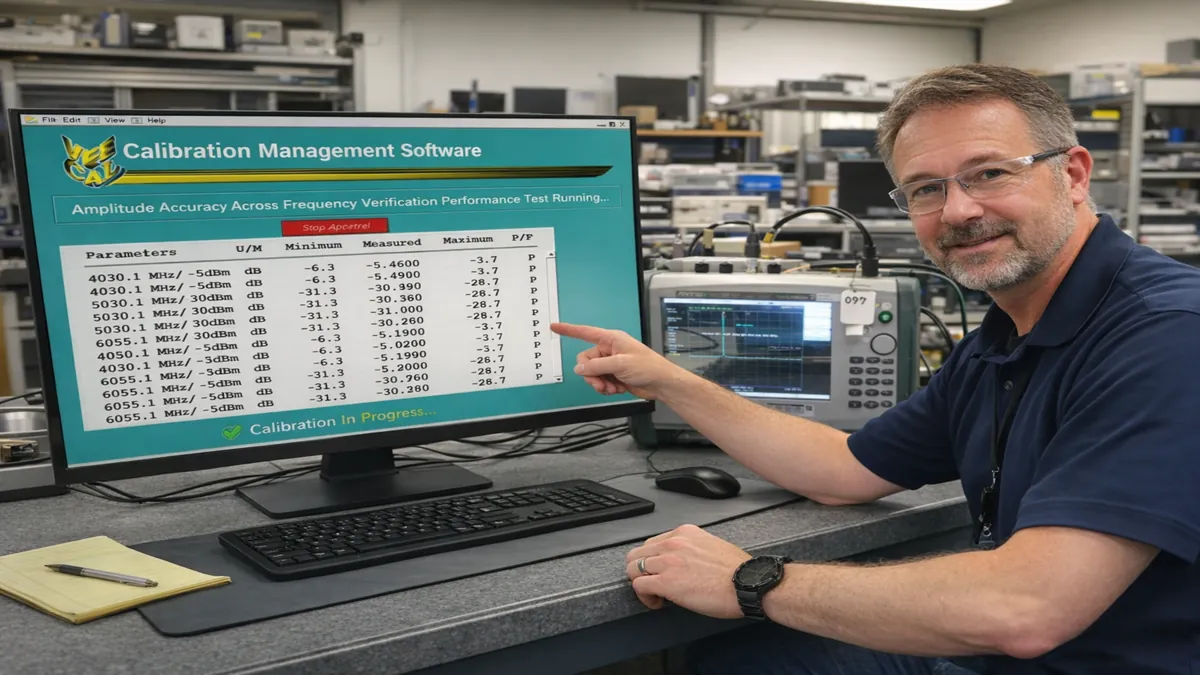
Calibration management software plays a critical role in helping modern metrology laboratories maintain accuracy, traceability, and regulatory compliance in increasingly complex measurement environments. As laboratories manage expanding instrument inventories, stricter quality standards, and shorter customer turnaround expectations, traditional manual tracking methods such as spreadsheets, emails, and paper-based logs are no longer sufficient. Digital calibration management systems provide centralized visibility, structured workflows, and reliable documentation that support both operational efficiency and audit readiness.
In regulated industries, even a single missed calibration interval or undocumented adjustment can create compliance risk. Calibration management software helps laboratories reduce this risk by ensuring that all calibration activities are planned, executed, recorded, and reviewed within a controlled digital system. This structured approach supports consistent results across technicians, shifts, and locations while improving confidence in measurement data.
What Is Calibration Management Software?
Calibration management software is a centralized digital platform designed to plan, schedule, track, and document calibration activities across a laboratory or organization. It allows laboratories to manage instrument inventories, calibration intervals, approved procedures, historical records, and compliance requirements from a single system. By replacing fragmented manual processes, calibration management software improves consistency, data integrity, and long-term traceability.
These systems act as the operational backbone of calibration programs, ensuring that instruments are calibrated on time, procedures are followed correctly, and documentation is available whenever needed. For laboratories operating under ISO/IEC 17025 or similar standards, this level of control is essential.
Challenges of Manual Calibration Management
Many laboratories still rely on spreadsheets, shared folders, or paper-based logs to manage calibration activities. While these approaches may work in low-volume environments, they introduce significant risk as operations scale. Manual recordkeeping increases the likelihood of transcription errors, missed due dates, outdated procedures, and incomplete documentation.
Preparing for audits becomes time-consuming when calibration data is scattered across multiple systems. Demonstrating compliance with ISO/IEC 17025 often requires extensive manual effort to collect records, verify traceability, and confirm procedural consistency. As instrument volumes grow, manual calibration management becomes increasingly difficult to maintain reliably.
Benefits of Automated Calibration Management
Automated calibration management software addresses these challenges by standardizing workflows and digitizing data capture. Laboratories benefit from improved scheduling accuracy, reduced administrative workload, and greater visibility into calibration status across all instruments. Automated systems provide version-controlled procedures, consistent execution, and traceable calibration histories that remain audit-ready at all times.
By reducing reliance on individual memory and manual tracking, laboratories can scale operations without proportional increases in staffing or compliance risk. This allows teams to focus more on quality assurance and technical work rather than administrative overhead.
Calibration Management Software vs Traditional Methods
When comparing calibration management software to traditional manual methods, the advantages of automation become clear. Software-driven systems reduce human error, improve turnaround times, and ensure consistent documentation across technicians and locations. Manual systems, by contrast, depend heavily on individual discipline and experience, making them difficult to scale and audit.
For laboratories seeking long-term efficiency, reliability, and regulatory confidence, digital calibration management has become a foundational requirement rather than an optional improvement.
Who Uses Calibration Management Software?
Calibration management software is widely used across industries that depend on accurate and traceable measurements. These include independent calibration laboratories, manufacturing quality departments, pharmaceutical and medical device companies, aerospace and defense organizations, and research institutions. Any environment that requires controlled calibration processes, documented traceability, and regulatory compliance can benefit from automated calibration management.
Conclusion
As metrology laboratories face increasing operational complexity and regulatory scrutiny, calibration management software provides the structure and control needed to maintain accuracy, efficiency, and compliance. By replacing fragmented manual processes with standardized digital workflows, laboratories can improve productivity while strengthening confidence in their measurement systems.
To understand how management and execution work together, explore our calibration automation software overview for modern metrology laboratories.
Frequently Asked Questions
What is calibration management software used for?
A digital calibration management system is used to plan, track, and document calibration activities for measurement instruments in a controlled digital environment. It helps laboratories maintain traceability, reduce manual errors, and ensure compliance with standards such as ISO/IEC 17025.
Is calibration management software required for ISO/IEC 17025 compliance?
ISO/IEC 17025 does not mandate a specific tool, but using a centralized calibration management platform significantly simplifies compliance by providing structured workflows, traceable records, controlled procedures, and audit-ready documentation.
How does calibration management software reduce compliance risk?
A centralized calibration tracking system reduces compliance risk by preventing missed calibration intervals, enforcing approved procedures, and maintaining complete historical records. This ensures consistent execution and reliable documentation during audits.
What is the difference between calibration management software and calibration automation software?
Calibration management focuses on planning, scheduling, tracking, and documentation, while calibration automation software executes calibration procedures and captures measurement data automatically. Many modern laboratories use both together for complete operational control.
Who should use calibration management software?
Digital calibration systems are ideal for metrology laboratories, manufacturing quality teams, pharmaceutical companies, aerospace organizations, and any operation that requires accurate, traceable, and compliant calibration processes.