Calibration Automation Software for Modern Metrology Laboratories
Modern metrology and commercial calibration laboratories face increasing pressure to deliver faster turnaround times, consistent measurement results, and full regulatory compliance—without increasing operational costs. As test volumes grow and standards evolve, traditional manual calibration methods become difficult to sustain at scale.
Automation-based calibration platforms enable laboratories to shift from technician-dependent processes to structured, software-driven calibration workflows. By automating execution, data capture, and documentation, laboratories improve consistency, strengthen traceability, and reduce operational risk while maintaining regulatory confidence.
What Is Calibration Automation Software?
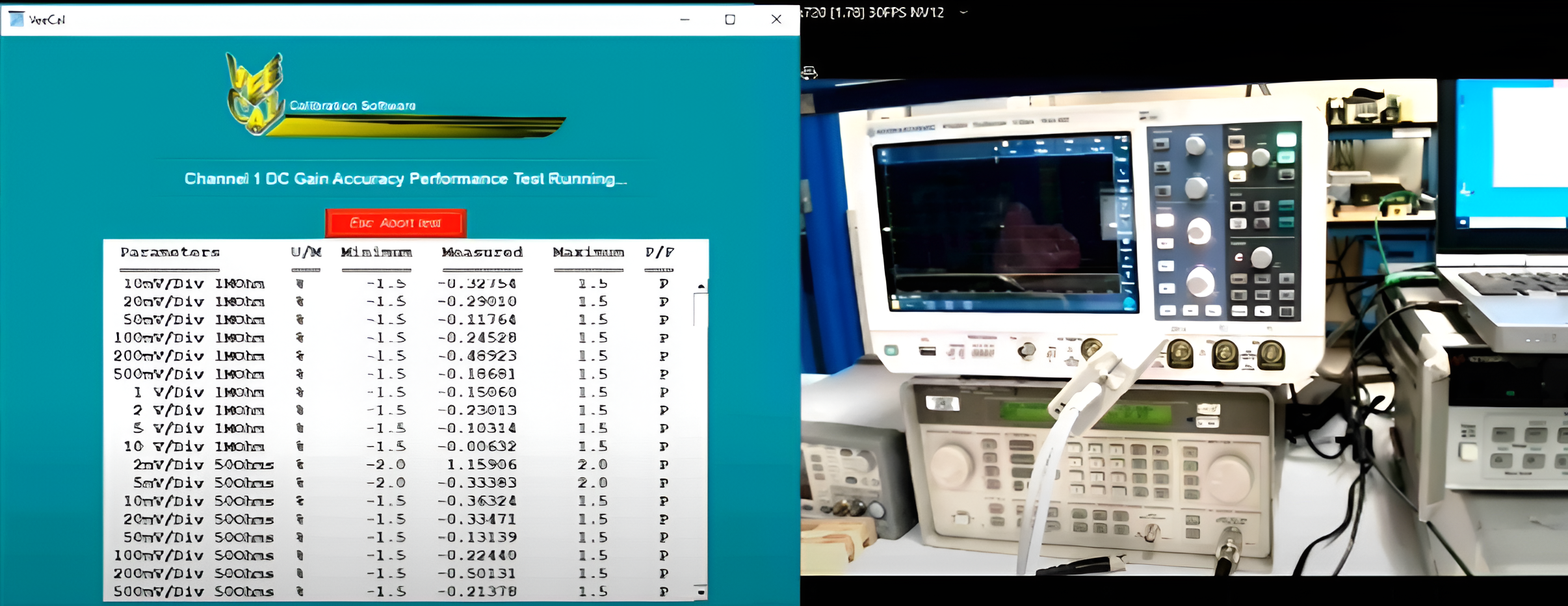
Calibration automation software executes calibration procedures using controlled, logic-based workflows rather than manual intervention. Each calibration follows a predefined and validated sequence, ensuring repeatable and auditable results.
Instead of relying on individual technician judgment, automated systems provide:
- Consistent execution of calibration sequences
- Direct instrument communication via validated drivers
- Digitally captured measurement results with full traceability
- Automatic generation of calibration records and reports
This standardized approach improves reliability while supporting uniform practices across instruments, technicians, and laboratory locations.
Why Calibration Automation Is Essential for Today’s Labs
As instrument fleets expand and compliance requirements become more stringent, laboratories face growing challenges in efficiency and consistency. Manual calibration processes struggle to keep pace with higher workloads and audit expectations.
Common limitations of manual calibration include:
- Variability in results between technicians.
- Dependence on individual expertise
- Longer calibration cycle times.
- Difficulty maintaining ISO/IEC 17025 traceability.
- Growing backlogs as workload increases
Automated calibration systems address these challenges by standardizing execution, minimizing human error, and reducing operational friction.
Manual Calibration vs Automated Calibration
Manual calibration relies heavily on technician judgment and repetitive steps. While suitable for low volumes, it becomes difficult to scale without compromising consistency.
Automated calibration , in contrast, uses predefined logic and structured workflows to ensure every calibration is performed the same way—every time. This improves repeatability, reduces risk, and supports long-term scalability without increasing staffing requirements.
Core Capabilities of Calibration Automation Software
A modern calibration automation platform typically includes:
- Logic-driven, multi-step calibration workflows
- Instrument control and communication via validated drivers
- Consistent execution across technicians and shifts
- Digital measurement data capture
- Structured, audit-ready documentation
While automation focuses on executing calibration procedures, laboratories also require centralized oversight of instruments, schedules, and compliance records.
Calibration management software complements automation by controlling calibration intervals, asset histories, certificates, and audit documentation across the laboratory.
These capabilities help laboratories increase throughput while maintaining confidence in measurement accuracy.
Supporting ISO/IEC 17025 Through Automation
ISO/IEC 17025 standard emphasizes consistency, traceability, and documented procedures. Automated calibration systems support these requirements by providing:
- Standardized calibration execution
- Repeatable measurement routines
- Digitally traceable data records
- Structured documentation for audits
By reducing procedural variability, automation helps laboratories lower compliance risk and simplify audit preparation.
Who Benefits from Calibration Automation Software?
This technology is widely used by organizations managing complex or high-volume calibration environments, including:
- Metrology laboratories
- Commercial calibration service providers
- Third-party calibration labs
- Electronics testing and measurement facilities
These organizations benefit from improved efficiency, consistent results, and the ability to scale operations without increasing headcount.
How Calibration Automation Software Fits into Modern Lab Operations
Modern laboratories must balance accuracy, compliance, and throughput. Calibration automation software allows labs to embed standardized procedures directly into daily operations while reducing reliance on individual technicians.
In many laboratories, automation works alongside calibration management software to ensure execution data, compliance records, and asset histories remain synchronized and audit-ready.
By automating measurement execution, data capture, and reporting, laboratories maintain consistent results across shifts, locations, and instrument types—supporting reliable growth without added operational burden.
Operational and Business Impact of Calibration Automation
Beyond technical accuracy, automation plays a critical role in improving the overall business performance of calibration laboratories.
By replacing manual steps with software-driven execution, laboratories gain predictable turnaround times and better workload visibility.
Automated calibration environments reduce rework caused by inconsistent measurements and minimize delays associated with manual documentation.
This allows lab managers to forecast capacity more accurately, prioritize high-value workloads, and improve customer satisfaction.
From a financial perspective, automation helps laboratories control operational costs by reducing overtime, lowering dependency on highly specialized personnel,
and minimizing errors that lead to costly recalibrations or audit findings.
Scalability and Future-Ready Calibration Operations
As calibration demand continues to rise across industries, laboratories must adopt systems that scale without compromising accuracy or compliance.
Software-driven calibration workflows allow organizations to expand instrument coverage and workload capacity without proportional increases in staffing.
Automation also supports long-term digital transformation by enabling integration with laboratory information systems, asset management tools,
and quality management processes. This creates a connected calibration environment capable of adapting to evolving regulatory and customer requirements.
By investing in structured automation today, laboratories position themselves to handle future growth, tighter compliance standards,
and increasingly complex measurement requirements with confidence.
Moving Toward Automated Calibration
Adopting automated calibration is not just about speed. It is about building a reliable, scalable, and compliant calibration operation. Automation provides laboratories with the foundation needed to handle increasing workloads while maintaining confidence in measurement quality.
For organizations exploring real-world implementation, automated calibration platforms offer a proven path toward operational excellence in modern metrology environments.
Frequently Asked Questions
What is calibration automation software?
It replaces manual calibration steps with software-controlled measurement sequences, improving consistency, efficiency, and traceability in calibration laboratories.
How does calibration automation software support ISO/IEC 17025?
It supports ISO/IEC 17025 by enforcing standardized procedures, repeatable workflows, and digitally traceable measurement records suitable for audits.
Which laboratories benefit from calibration automation software?
Metrology labs, commercial calibration providers, and third-party service organizations benefit by increasing throughput and reducing technician dependency.
Do technicians need programming skills?
No. Modern platforms provide no-code configuration tools, allowing technicians to execute complex calibration procedures without writing software.
To see how calibration automation is implemented in production environments, visit our automated calibration software platform.